
Protein Molecular Weight Markers

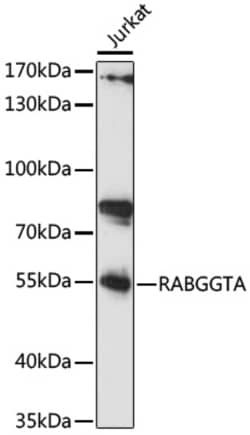
ABclonal Technology RABGGTA Rabbit pAb

Predicted to enable small GTPase binding activity. Predicted to contribute to Rab geranylgeranyltransferase activity. Predicted to be involved in protein geranylgeranylation. Located in nucleoplasm.

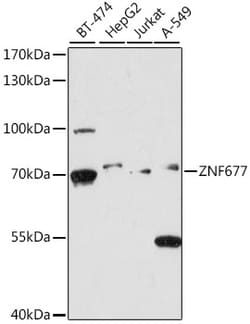
ABclonal Technology ZNF677 Rabbit pAb
Predicted to enable DNA-binding transcription factor activity, RNA polymerase II-specific and RNA polymerase II cis-regulatory region sequence-specific DNA binding activity. Predicted to be involved in regulation of transcription by RNA polymerase II. Predicted to be active in nucleus.

Biotium Primary Antibody Mouse Fab kappa N2507.MFAB CF583R 1/EA
Alpaca Anti-Mouse (Fab) Kappa rVHH (N2507 MFAB) is a recombinant Alpaca VHH antibody that recognizes the mouse kappa light chain and is validated for IF flow and WB Red fluorescent STORM-compatible CF583R dye has Ex/Em at 583/606 nm Unit size 500 uL at 0 1 mg/mL
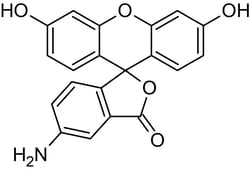
Abcam 5-Aminofluorescein (Fluoresceinamine, isomer I), Fluorescence marker, 1G
MW 347.3 Da, Purity >95%. Fluorescence marker. Selectively targets malignant glioma tissue in vivo when covalently linked to human serum albumin at a molar ratio of 1:1without bleaching nor penetrating into surrounding brain edema or necrotic tissue. Blood-brain barrier permeable.
The product is subject to the following: Abcam Restricted Use Statement
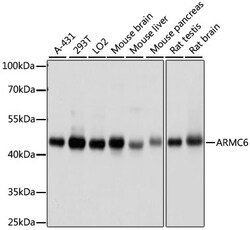
ABclonal Technology ARMC6 Rabbit pAb
The function of this genes protein product has not been determined. A related protein in mouse suggests that this protein has a conserved function. Two transcript variants encoding different isoforms have been found for this gene.
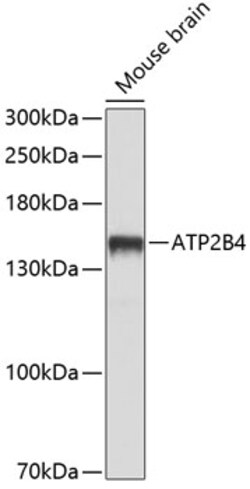
ABclonal Technology ATP2B4 Rabbit pAb
The protein encoded by this gene belongs to the family of P-type primary ion transport ATPases characterized by the formation of an aspartyl phosphate intermediate during the reaction cycle. These enzymes remove bivalent calcium ions from eukaryotic cells against very large concentration gradients and play a critical role in intracellular calcium homeostasis. The mammalian plasma membrane calcium ATPase isoforms are encoded by at least four separate genes and the diversity of these enzymes is further increased by alternative splicing of transcripts. The expression of different isoforms and splice variants is regulated in a developmental, tissue- and cell type-specific manner, suggesting that these pumps are functionally adapted to the physiological needs of particular cells and tissues. This gene encodes the plasma membrane calcium ATPase isoform 4. Alternatively spliced transcript variants encoding different isoforms have been identified.
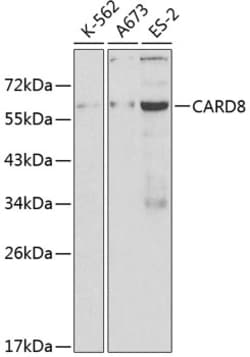
ABclonal Technology CARD8 Rabbit pAb
The protein encoded by this gene belongs to the caspase recruitment domain (CARD)-containing family of proteins, which are involved in pathways leading to activation of caspases or nuclear factor kappa-B (NFKB). This protein may be a component of the inflammasome, a protein complex that plays a role in the activation of proinflammatory caspases. It is thought that this protein acts as an adaptor molecule that negatively regulates NFKB activation, CASP1-dependent IL1B secretion, and apoptosis. Polymorphisms in this gene may be associated with a susceptibility to rheumatoid arthritis. Alternatively spliced transcript variants have been described for this gene.
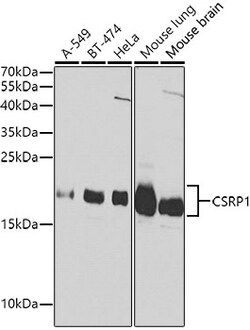
ABclonal Technology CSRP1 Rabbit pAb
This gene encodes a member of the cysteine-rich protein (CSRP) family. This gene family includes a group of LIM domain proteins, which may be involved in regulatory processes important for development and cellular differentiation. The LIM/double zinc-finger motif found in this gene product occurs in proteins with critical functions in gene regulation, cell growth, and somatic differentiation. Alternatively spliced transcript variants have been described.

Biotium Primary Antibody Neurofilament H rRmdO-20 CF740 1/EA
Neurofilament-H (rRmdO-20) is a recombinant mouse monoclonal antibody that recognizes Neurofilament-H This CF740 antibody conjugate has been validated in Immunofluorescence CF and reg dyes are Biotiums line of next-generation fluorescent dyes with advantages in brightness and photostability
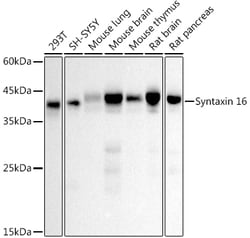
ABclonal Technology Syntaxin 16 Rabbit mAb
This gene encodes a protein that is a member of the syntaxin or t-SNARE (target-SNAP receptor) family. These proteins are found on cell membranes and serve as the targets for V-SNARES (vesicle-SNAP receptors) permitting specific synaptic vesicle docking and fusion. A microdeletion in the region of chromosome 20 where this gene is located has been associated with pseudohypoparathyroidism type Ib. Multiple transcript variants have been found for this gene. Read-through transcription also exists between this gene and the neighboring downstream aminopeptidase-like 1 (NPEPL1) gene.
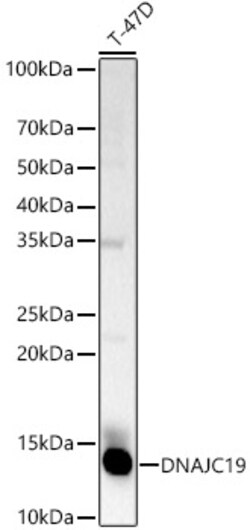
ABclonal Technology DNAJC19 Rabbit pAb
The protein encoded by this gene is thought to be part of a complex involved in the ATP-dependent transport of transit peptide-containing proteins from the inner cell membrane to the mitochondrial matrix. Defects in this gene are a cause of 3-methylglutaconic aciduria type 5 (MGA5), also known as dilated cardiomyopathy with ataxia (DCMA). Alternative splicing of this gene results in multiple transcript variants. Related pseudogenes have been identified on chromosomes 1, 2, 6, 10, 14 and 19.
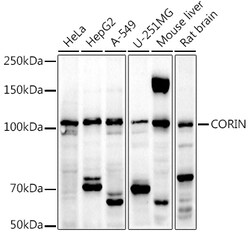
ABclonal Technology CORIN Rabbit pAb
This gene encodes a member of the type II transmembrane serine protease class of the trypsin superfamily. Members of this family are composed of multiple structurally distinct domains. The encoded protein converts pro-atrial natriuretic peptide to biologically active atrial natriuretic peptide, a cardiac hormone that regulates blood volume and pressure. This protein may also function as a pro-brain-type natriuretic peptide convertase. Multiple alternatively spliced transcript variants encoding different isoforms have been found for this gene.
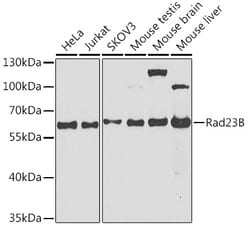
ABclonal Technology Rad23B Rabbit pAb
The protein encoded by this gene is one of two human homologs of Saccharomyces cerevisiae Rad23, a protein involved in the nucleotide excision repair (NER). This protein was found to be a component of the protein complex that specifically complements the NER defect of xeroderma pigmentosum group C (XP-c) cell extracts in vitro. This protein was also shown to interact with, and elevate the nucleotide excision activity of 3-methyladenine-DNA glycosylase (MPG), which suggested a role in DNA damage recognition in base excision repair. This protein contains an N-terminal ubiquitin-like domain, which was reported to interact with 26S proteasome, and thus this protein may be involved in the ubiquitin mediated proteolytic pathway in cells. Alternative splicing results in multiple transcript variants encoding distinct isoforms.
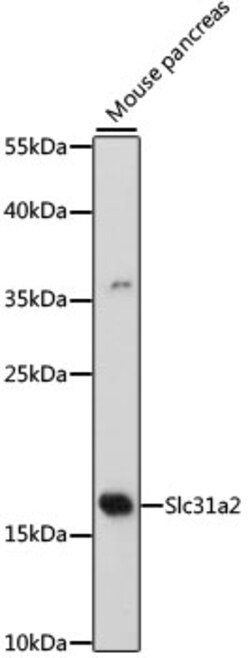
ABclonal Technology Slc31a2 Rabbit pAb
Acts upstream of or within cellular copper ion homeostasis and regulation of copper ion transmembrane transport. Located in late endosome, membrane, and recycling endosome. Is expressed in brain, retina nuclear layer, and urinary system. Orthologous to human SLC31A2 (solute carrier family 31 member 2).
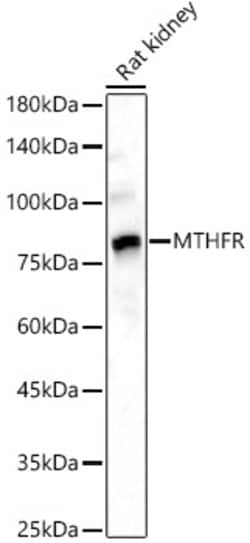
ABclonal Technology MTHFR Rabbit pAb
The protein encoded by this gene catalyzes the conversion of 5,10-methylenetetrahydrofolate to 5-methyltetrahydrofolate, a co-substrate for homocysteine remethylation to methionine. Genetic variation in this gene influences susceptibility to occlusive vascular disease, neural tube defects, colon cancer and acute leukemia, and mutations in this gene are associated with methylenetetrahydrofolate reductase deficiency.